Physical Therapy Exercise Log: What to Record
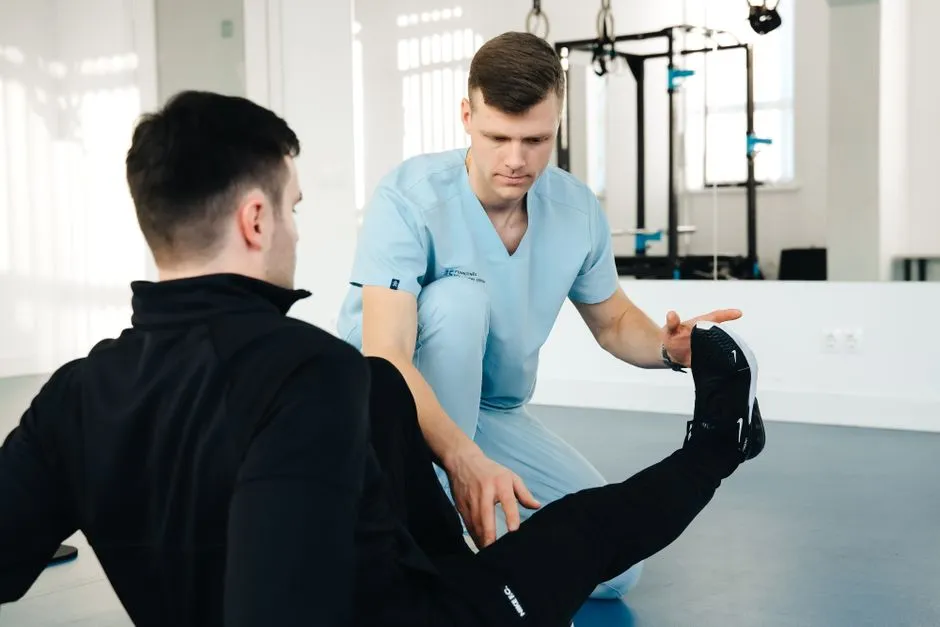
Record the prescribed dose and the response that followed
A physical therapy exercise log should capture the date, exact exercise version, prescribed dose, amount completed, symptoms before and during, technique issue, and recovery afterward. Use neutral observations rather than diagnosing the cause. “Knee pain rose from my usual level during the second set and settled after stopping” gives the clinician more to work with than “exercise is bad.”
More reporting tools live in progress communication.
Build a compact table
Use one row per exercise or session:
| Field | What to record |
|---|---|
| Date and time | When the session occurred |
| Exercise version | Name plus current setup, side, equipment, or resistance |
| Prescribed dose | Repetitions, holds, sets, frequency, and rest from the clinician |
| Completed dose | What you actually performed |
| Before | Relevant symptoms or function before starting |
| During | Effort, symptom location, timing, and technique change |
| After | Immediate response and recovery later |
| Action | Continued, modified as prescribed, stopped, or contacted care team |
Do not invent precision. If a symptom time was not measured, write “several minutes” rather than awarding it 7 minutes and 14 seconds because the form looked hungry.
Name the exact exercise version
Exercise names can hide meaningful changes. Record side, starting position, support, range, band or weight identifier, tempo, and clinician-approved modification. For a resistance band, note brand, color, anchor, and position because color is not standardized across manufacturers.
Do not change those variables for the sake of the log. The home exercise program guide explains why progression belongs with the treating clinician; home program basics covers setup checks.
Describe symptoms without diagnosing them
Record location, quality in your own words, onset, change during the movement, and how long it took to return toward baseline. Note new swelling, numbness, weakness, instability, dizziness, breathlessness, or another relevant response.
Avoid assigning a tissue, disease, or mechanism. “Pulling behind the thigh at the prescribed range” is an observation. “Hamstring scar tissue breaking up” is a conclusion that the home log cannot establish.
Use a rating scale only when the clinician selected it and explained how to apply it. Keep the same scale so entries are comparable.
Record stopped sessions honestly
A stopped exercise is important clinical information. Note the repetition or time when the response began, what changed, and whether you followed a pre-agreed modification or contacted the clinic.
Do not restart repeatedly to prove the response is real. Do not exceed a stop rule to produce a more impressive data point. The purpose is communication, not symptom collection.
Seek urgent care for chest pain, fainting, severe breathing difficulty, sudden weakness, new loss of bladder or bowel control, severe symptoms after trauma, or other emergency signs. A spreadsheet is not an emergency department and has frankly never claimed to be.
Add a later recovery check
When the clinician requests it, record how you feel later that day and the next morning. Include sleep, ordinary activity, and other exercise when they materially affect interpretation. Do not attribute every change to the home program without assessment.
Use the clinician’s stated response window. If symptoms persist beyond it, worsen, or concern you, follow the contact instructions rather than waiting until the next appointment merely to complete a prettier trend line.
Prepare a one-minute appointment summary
Before the visit, highlight:
- exercises completed as prescribed;
- any repeated stop or technique problem;
- the strongest or newest response;
- recovery pattern;
- questions about the next dose, modification, or equipment.
Bring the original entries so the summary can be checked. Ask the clinician to review the log fields and remove anything that does not help the plan.
The best exercise log is not the most detailed. It is the one that preserves the current prescription, records meaningful responses, and helps two people make the next clinical decision with less guesswork.